Water Guy
Stop paying for water
you don’t need.
Discover whether your multifamily assets could reduce annual water and sewer expenses by 40% to 60%, potentially with no upfront cost.
Lower expenses. Higher NOI. Greater property value.
Water and sewer savings reduce controllable operating expenses. That improvement flows directly to net operating income and, when capitalized, can create meaningful additional asset value across a portfolio.
This estimate is based on documented annual water and sewer savings across eight properties using a 5.8% capitalization rate. Actual property value impact depends on realized savings, property performance, and market conditions.
Across eight properties, estimated value increased by $13,860,777 based on annual water and sewer savings. Six projects recovered program costs within two years or less, and the owner expanded the program to seven additional properties.
Results that are easy to see.
Each project below is shown with larger, simplified figures from the eight-property portfolio example.
Water waste rarely announces itself.
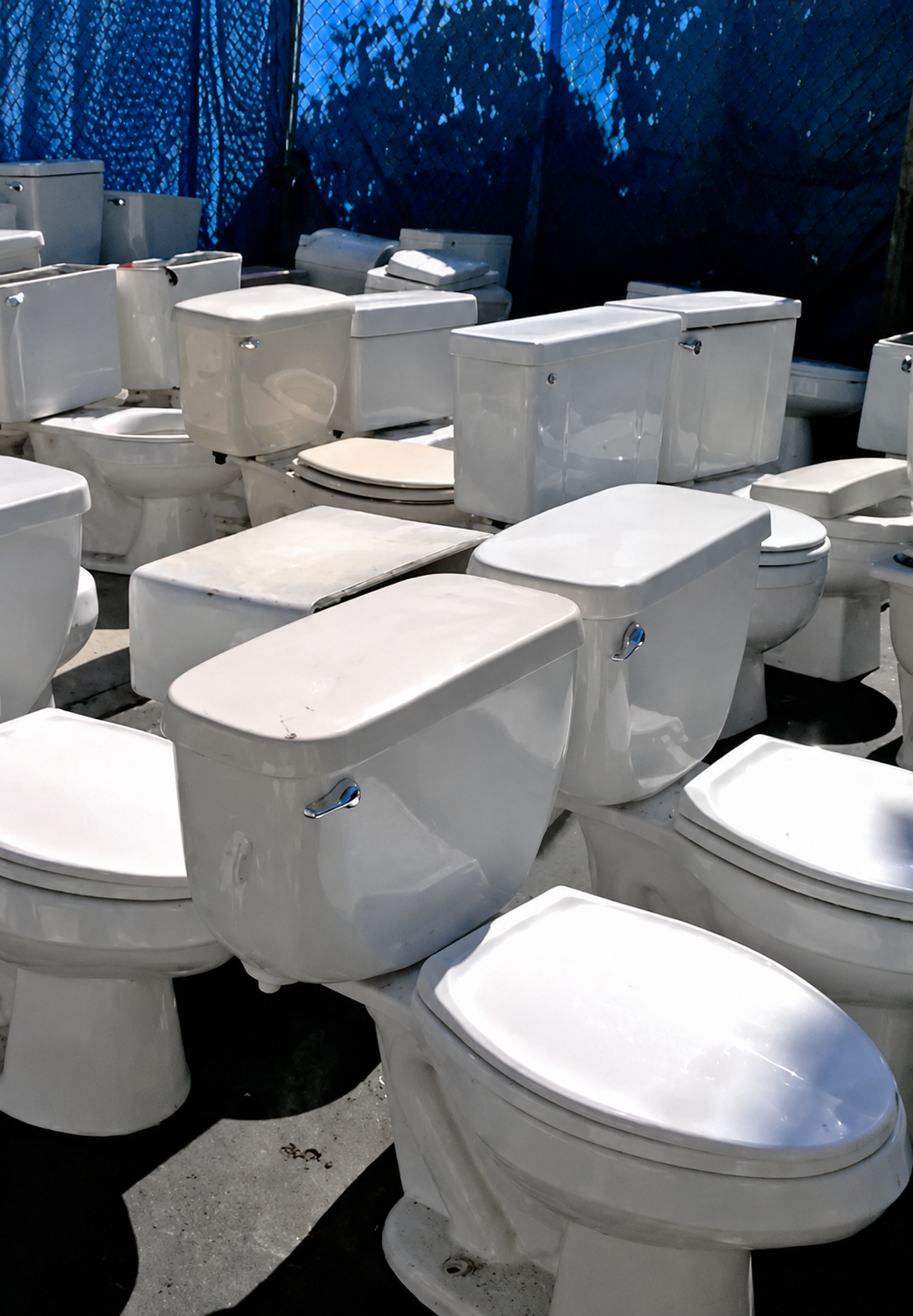
Older fixtures can create ongoing, avoidable expense.
High-consumption toilets and aging internal components can waste substantial amounts of water across a multifamily asset. This original project photo shows the full collection of old fixtures removed during implementation.
From utility bills to measurable savings.
We evaluate the opportunity first, so you can make a decision based on property-specific data rather than assumptions.
Start the conversation↗Credibility earned property by property.

We’ve significantly reduced water and sewer consumption by over 50% at several properties, directly translating to savings for residents and ownership.

We’ve achieved over 50% savings on water and sewer costs across several properties, and we implemented the entire program with no upfront costs.
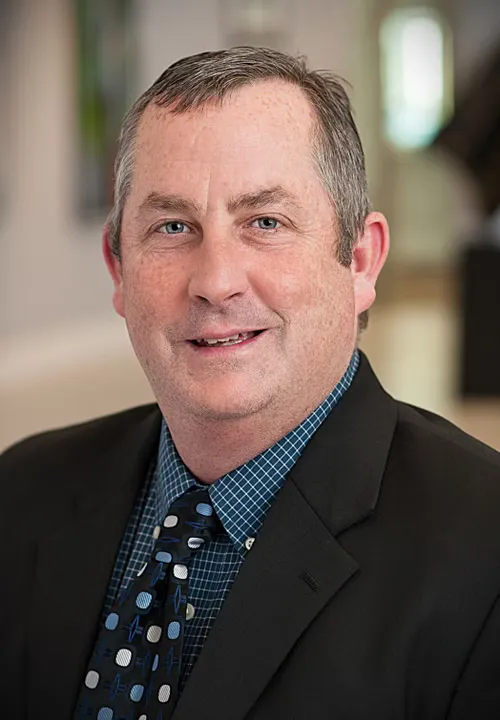
The solutions made a significant impact on our bottom line and helped increase property value. The process I was concerned about turned out to be painless.

No gimmicks, no complicated tech—just straightforward, effective solutions. The work was completed quickly, professionally, and with sustained savings.

Meet Paul Marks
The Multifamily Water Guy.
Paul has spent more than three decades serving the multifamily industry. His approach connects water conservation with what owners and operators care about most: reducing expenses, improving NOI, limiting disruption, and producing results that last.
It begins with a candid assessment of whether a property is a strong fit. If it is, Paul and his team provide a clear path from analysis through implementation and ongoing monitoring.